Building Better Web Applications: A Practical Developer’s Guide
Modern web development is no longer just about writing code that works. A good application should also be maintainable, secure, scalable, and easy for other developers to understand. Whether you are building a small personal project or a production application, the decisions you make during development can have a significant impact on the long-term quality […]

Modern web development is no longer just about writing code that works. A good application should also be maintainable, secure, scalable, and easy for other developers to understand. Whether you are building a small personal project or a production application, the decisions you make during development can have a significant impact on the long-term quality of the project.
One of the first things developers should focus on is project structure. Keeping controllers, business logic, database operations, and user-interface code separated makes an application easier to maintain. In an ASP.NET Core application, for example, developers can organize their solution into layers such as Domain, Application, Infrastructure, and UI. This approach makes responsibilities clearer and reduces unnecessary dependencies between components.
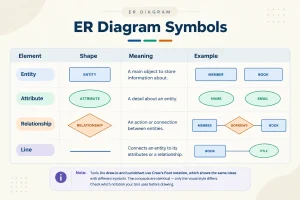
Another important area is database design. A well-designed database avoids unnecessary duplication and makes relationships between entities clear. Before writing queries, spend some time understanding the entities, their relationships, and the type of information that needs to be stored. Proper indexing and carefully designed queries can also make a major difference when an application starts handling larger amounts of data.
Developers should also pay attention to validation and error handling. User input should never be trusted blindly. Validate data on the server, return meaningful errors, and make sure unexpected exceptions do not expose sensitive implementation details. Good error handling improves both security and the user experience.
Testing is another habit worth developing early. Even a small project can benefit from unit tests, integration tests, and API tests. Automated tests make it easier to change existing functionality without accidentally breaking something that was already working.
Finally, remember that good development is an iterative process. You do not need to design every part of an application perfectly before writing the first line of code. Start with a clear structure, build one